In an era of increasing geopolitical uncertainty, climate-related emergencies, and expanding critical infrastructure, the conversation around security has evolved significantly. While technologies such as surveillance systems, artificial intelligence, and real-time monitoring have transformed how organizations detect and respond to threats, one principle remains unchanged: physical protection is the foundation of infrastructure resilience.
Critical infrastructure—including defense facilities, border crossings, transportation hubs, energy plants, ports, data centers, and emergency response facilities—must continue operating under a wide range of conditions. Protecting these assets is not simply about securing property; it is about ensuring continuity of essential services that communities, industries, and nations depend upon.
The Evolving Role of Physical Protection
Security today is no longer built around a single solution. Modern infrastructure relies on a layered approach that integrates technology, operational planning, and engineered physical protection.
Physical barrier systems play an important role within this framework by helping define secure perimeters, protect sensitive assets, support controlled access, and enhance the resilience of facilities during emergencies. Their value extends beyond security alone—they contribute to operational continuity, site organization, and infrastructure planning.
As infrastructure projects become more complex, the expectations placed on barrier systems have also increased. Today’s solutions are expected to be durable, adaptable, efficient to deploy, and capable of performing reliably in diverse environmental conditions.
Engineering Matters More Than Ever
The effectiveness of any protective barrier begins long before it reaches a project site. It starts with engineering decisions, material selection, manufacturing precision, and quality assurance.
For manufacturers, this means focusing on:
- High-quality steel and corrosion-resistant materials.
- Consistent welding and fabrication processes.
- Reliable quality control at every production stage.
- Designs that support modularity and ease of deployment.
- Long-term durability with minimal maintenance requirements.
These factors directly influence the service life, reliability, and overall value of a barrier system.
Manufacturing for Resilience
As infrastructure investment continues worldwide, manufacturers have an increasingly important responsibility. Customers are looking for partners who can deliver not only products but also engineering expertise, manufacturing consistency, and dependable quality.
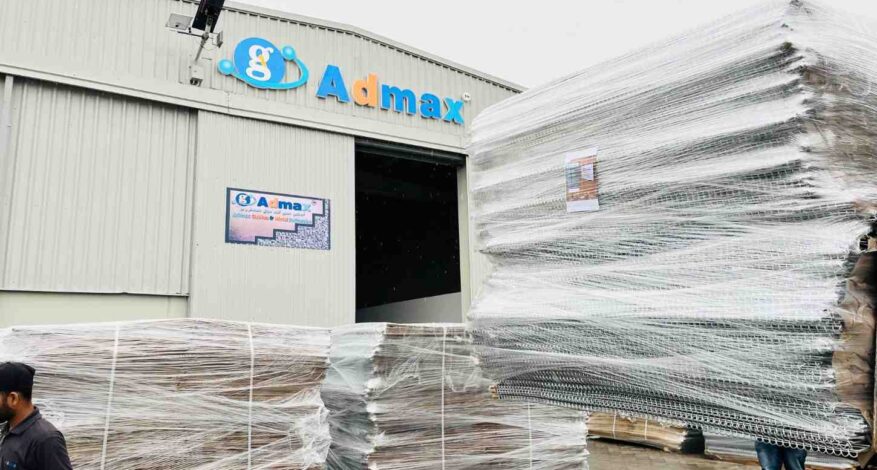
At ADMAX, we have seen growing demand for modular defense barrier systems that balance structural performance, operational flexibility, and manufacturing precision. This has reinforced our commitment to investing in advanced production processes, strict quality standards, and continuous product development.
Rather than viewing a defense barrier as a standalone product, we see it as part of a broader infrastructure solution—one that supports engineers, contractors, and project owners in building safer and more resilient facilities.
Innovation Through Manufacturing Excellence
The future of protective infrastructure will be shaped by innovation. Advances in materials, manufacturing technologies, automation, and quality management are enabling manufacturers to produce barrier systems that are stronger, more durable, and better suited to evolving project requirements.
Innovation is not only about creating new products. It is equally about improving manufacturing efficiency, ensuring product consistency, reducing environmental impact, and delivering solutions that meet international expectations for quality and reliability.
For manufacturers, continuous improvement has become a necessity rather than a competitive advantage.
Looking Ahead
As governments and industries continue investing in resilient infrastructure, the importance of engineered physical protection will only grow. Whether safeguarding transportation networks, energy facilities, industrial operations, or other critical assets, well-designed barrier systems remain an essential component of a comprehensive security strategy.
For companies operating in this sector, success will depend on more than manufacturing capability alone. It will require collaboration with customers, investment in engineering expertise, adherence to high quality standards, and a commitment to continuous innovation.
At ADMAX, we believe that manufacturing excellence begins with understanding our customers’ challenges and responding with engineering-driven solutions that emphasize quality, durability, and long-term performance. As the needs of critical infrastructure continue to evolve, manufacturers have an opportunity—and a responsibility—to contribute to safer, stronger, and more resilient communities worldwide.
What trends do you believe will have the greatest impact on the future of critical infrastructure protection over the next decade? Share your perspective in the comments.