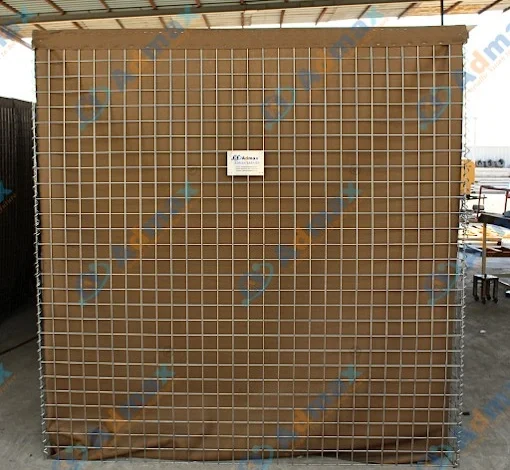
A single weak boundary can expose an entire site to risk within minutes. That is why the demand for reliable Defense barrier in Qatar solutions continues to rise across military zones, construction sites, flood control projects, and industrial facilities. Modern defensive barrier systems are no longer temporary shields placed for short-term needs. They have evolved into engineered protection structures designed to deliver durability, stability, and operational confidence under extreme conditions.
From desert landscapes to coastal regions, industries now require protection systems that can resist erosion, impact pressure, and unpredictable environmental changes without constant maintenance. Defensive barriers answer that challenge with remarkable efficiency.
Why Defensive Barrier Systems Matter More Than Ever?
Traditional protective methods often struggle against changing terrain, heavy rainfall, or sudden security threats. Sandbag walls collapse over time, while rigid concrete structures demand extensive labor and long installation periods.
Defensive barrier systems offer a practical alternative. Their modular design allows quick placement while maintaining structural integrity for extended use. Once filled with soil, gravel, or sand, these barriers create a reinforced protective wall capable of handling both environmental and security-related pressures.
This balance between flexibility and strength makes them valuable for military camps, oil facilities, border zones, and infrastructure projects.
The Engineering Behind Long-Term Stability
The strength of a defensive barrier system comes from more than its outer frame. High-grade geotextile materials play a central role in holding the structure together under pressure. These fabrics resist tearing, moisture damage, and soil displacement, even in harsh climates.
The internal filling material also contributes to stability. When compacted correctly, the barrier develops a dense structure that absorbs force instead of cracking under impact. This feature helps maintain shape and reliability over long periods.
Many project developers now work closely with a trusted Geo sandbags supplier in UAE to support erosion control and reinforcement projects where soil movement is a serious concern. Geo sandbags improve ground stability while supporting larger defensive systems in vulnerable areas.
Adaptability Across Different Environments
One reason defensive barrier systems continue gaining popularity is their adaptability. They perform effectively in flood-affected areas, military operations, and industrial protection zones without requiring major design modifications.
In regions with intense heat and strong winds, durable polypropylene materials add another layer of resilience. This is why many contractors source materials from a reliable PP sandbags supplier in Kuwait for projects exposed to demanding environmental conditions.
The ability to deploy, reposition, and expand these barriers quickly makes them especially valuable during emergency response situations. Instead of constructing permanent walls that consume time and resources, organizations can install protective systems rapidly while maintaining dependable performance.
Cost Efficiency Without Compromising Protection
Long-term protection is not only about strength. It also involves maintenance costs, operational efficiency, and lifespan. Defensive barrier systems reduce labor demands while minimizing replacement frequency.
Their reusable framework and durable fabric structure allow organizations to maintain safety standards without excessive operational expenses. Over time, this creates a practical balance between financial planning and site protection.
A Stronger Future for Protective Infrastructure
Protective systems should not create additional complications during critical situations. They should perform consistently, adapt quickly, and remain dependable under pressure. Defensive barrier systems achieve exactly that by combining engineered stability with practical deployment advantages.
As industries continue facing environmental and security challenges, the importance of reliable barrier solutions will only grow stronger. Long-lasting protection begins with systems designed not just to withstand pressure, but to remain stable when it matters most.
Frequently Asked Questions
What makes defensive barrier systems suitable for long-term use?
Defensive barrier systems use reinforced geotextile materials and compact filling methods that resist erosion, moisture damage, and pressure impact. Their durable structure allows them to maintain stability and protection capabilities for extended operational periods.
How are defensive barriers better than traditional sandbags?
Traditional sandbags often weaken after prolonged exposure to weather conditions. Defensive barriers provide stronger containment, faster installation, better structural support, and improved resistance against shifting soil, water pressure, and environmental stress across multiple applications.
Where are defensive barrier systems commonly used?
These systems are widely used in military zones, oil and gas facilities, border security projects, flood prevention areas, construction sites, and emergency response operations where rapid protection and long-lasting structural stability are essential requirements.
Why are geotextile materials important in barrier systems?
Geotextile materials strengthen the internal structure of defensive barriers by preventing soil displacement and resisting environmental wear. They improve durability, maintain shape under pressure, and support reliable performance in demanding outdoor conditions over time.
Can defensive barrier systems handle extreme weather conditions?
Yes, high-quality defensive barriers are designed to withstand strong winds, heavy rainfall, intense sunlight, and soil erosion. Their reinforced materials and compact structure help maintain protection levels even in harsh environmental and operational settings.